


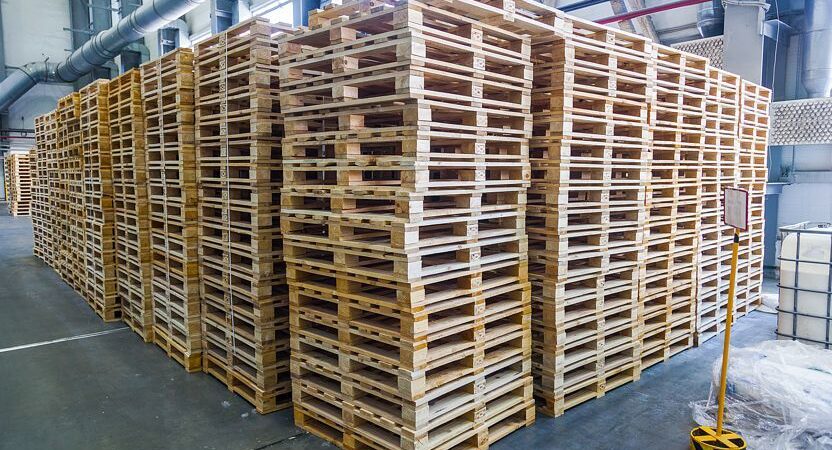
In the practice of cargo transportation, pallets made of wood remain the most popular. The material for the production of this simple type of container is chosen only of high quality, as the purpose of the final product is to ensure the safety of a large cargo unit during transportation. Wood for pallets should be free of knots, cracks and breaks, its humidity (according to GOST 9078-84) can not exceed 22%. Boards should be strong and well-treated, free of bumps.
Advantages of using wood for pallets
Despite the fact that pallets can be made of different materials, wooden pallets are most often used, as they have a lot of advantages. As their pluses can be noted:
- durability;
- low density, allowing the production of high load capacity containers with low weight;
- low thermal conductivity;
- the possibility of applying simple processing methods;
- environmental friendliness.
The disadvantages common to any wood are combustibility, hygroscopicity and a high percentage of waste.
Softwood species for pallet production
Softwood is most often used for the production of tare boards. This is primarily due to its availability and, consequently, cheapness. At the same time, softwood is characterized by its strength and relative lightness compared to hardwood.
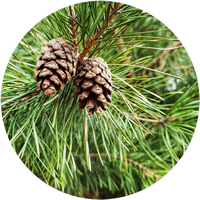
Pine
Lumber from trees of this species is most widely used. Pine wood is light, has a good texture. The drying time is minimal. It is quite malleable and easy to process. At the same time, it has sufficient strength and fasteners hold well in it.
The material itself is beautiful, the coloring shades range from yellow to red, and has a nice pattern.
Pallets look aesthetically pleasing and often get a second use – they are used to make furniture.
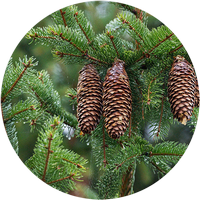
Spruce
It is used quite often and is generally similar to pine in characteristics: easy to work and almost as accessible. The main difference is that it is less resinous. This can be considered a disadvantage, because at high humidity such wood begins to rot faster. Therefore, spruce boards are dried much more carefully. In addition, spruce lumber is often affected by insects, so it requires careful phytosanitary treatment.
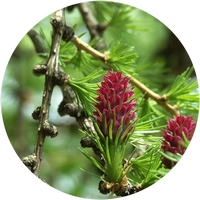
Larch
It has undoubted advantages: high hardness and durability, no knots, resistance to rot. The wood is beautiful when cut. It has a high resin content, so it can stay in water for a long time without reducing its quality. In general, products made of larch last much longer than those made of pine and spruce.
However, there are also disadvantages, and they are significant: high density requires complicated processing methods, and the containers are heavy. Larch is also noticeably more expensive than pine and spruce, but more attractive for recycling.
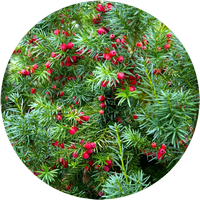
Yew
It is well suited for making pallets, but in Russia it is almost not used, as this tree species is not often found on the territory of our country.
Yew wood is easy to work, moisture resistant and does not deteriorate due to temperature fluctuations. However, due to its rarity, its cost is very high.
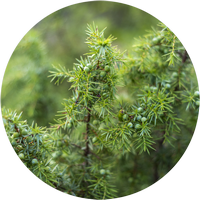
Juniper
Juniper wood is strong, does not warp when drying, and is virtually unaffected by parasites. It is easy to process. At the same time, since this tree species is not very common in Russia, it has a very high cost. That is why juniper pallets are practically not made entirely of juniper, but it is used for the production of individual parts.
Hardwoods for pallets
Hardwood lumber is also used for the manufacture of pallets. Products made of such wood are generally characterized by higher hardness, strength and durability. However, such material begins to rot much faster, so the boards need to be dried very carefully and treated with antiseptic agents.
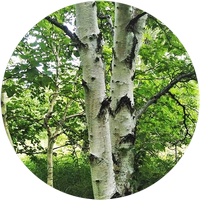
Birch
It is used most often among hardwood species, as it grows and is harvested in most regions of Russia. Accordingly, the cost of such timber is low. Birch is characterized by good elasticity and acceptable strength, it is easy to process, it does not crack. It requires special attention to drying and processing, as it rots very quickly at high humidity.
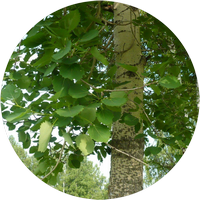
Aspen
Very soft and pliable, it has a dense, uniform texture.
An important feature: aspen is not damaged by insect pests, and with its high hygroscopicity it is quite resistant to decay. It does not warp or crack after drying.
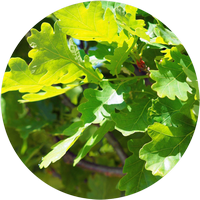
Oak
The champion in terms of durability among hardwoods. Oak wood is of high quality and can withstand the heaviest loads.
Very dense (i.e. heavy) material. Environmental factors do not affect its qualities in any way. The cost is high.
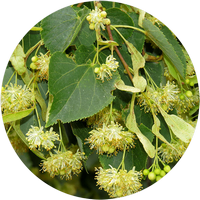
Linden
Pallets made of lime are the lightest. This type of wood is easy to process, does not warp or crack, and retains its shape and properties for a long time.
Lime planks are smooth, light-colored, with a pinkish tint. The resistance to rot is low.
Different factors influence the choice of pallets. Functional purpose, resistance to loads, strength, endurance should be taken into account. Transport packaging should meet international quality standards and comply with technical specifications.
Ruspallet offers to purchase pallets for various purposes. You can count on an individual approach for each order.
We manufacture and market:
- typical pallets of different varieties;
- Euro pallets of 1, 2, 3 and 4 grades, branded and unbranded, conforming to EPAL standards;
- used pallets.
All products are certified.